Keep the people you most want to keep
Stay and exit surveys show why people go and what would keep them, team by team, before the next resignation lands.

Engagement, pulse, 360, onboarding and exit surveys on one platform. Sogolytics employee survey software reaches every employee where they already work, keeps their answers anonymous, and shows each manager what to fix on their own team.
Request a demo
Ava MorenoJoined 2023
Weekly pulseAnswered in Slack
360 feedback7 of 8 raters done
eNPSPromoter, scored 9
Engagement78 of 100
Manager alertLow score flagged to HR
Fortune 500 companies trust Sogolytics


Move from organization-wide context to department drivers without exporting a single dashboard.

Anonymity active
Threshold: 5 responses
Employee Experience Overview
All employees · Jan 1 – Mar 31, 2026
eNPS
28+6 pts
Engagement
78.0+3.2 pts
Participation
84%+11 pts
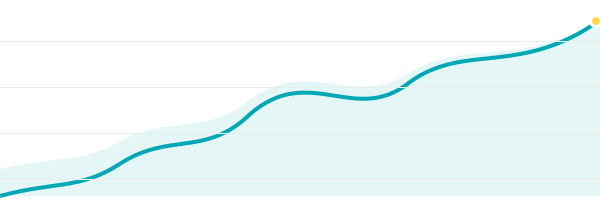
Engagement trend
4-week rolling average
76.2
Department breakdown
auto_awesomeBelonging is the strongest driver of this quarter’s lift.
The point of an employee survey is not a score. It is knowing what makes good people stay, and giving each manager something specific to do about it.
Stay and exit surveys show why people go and what would keep them, team by team, before the next resignation lands.
Driver analysis ranks what matters most to each group, so effort goes where it changes the score.
Frontline, field and shift staff answer by SMS, QR or kiosk, so results reflect the operation and not only the office.
Each manager sees their own team's results and themes, which is what turns a survey into a change people notice.
Most organizations survey once a year, hear mostly from desk-based staff, and share results months later. By then the people who were thinking about leaving already have.
An annual survey is a post-mortem. By the time the results are presented, the team that was struggling has already lost two people.
Staff without a work email never see the link, so the survey reflects the office and not the operation.
If people suspect their answers can be traced, they skip the survey or write whatever feels safe.
Leadership sees a deck. Managers see nothing. Employees see no change and stop answering next time.
Most tools are built around one big survey. Sogolytics is built around the whole employee lifecycle, with every survey type sharing one employee directory so results line up by team, tenure and location.
| What you are trying to do | Sogolytics | Most platforms |
|---|---|---|
| Hear from everyone | Slack, Microsoft Teams, SMS, QR and kiosks, so frontline staff answer too | An email link to desk-based staff |
| Earn honest answers | Anonymous surveys with no names attached, and access rules on every report | The word anonymous in the survey title |
| Know what drives engagement | Driver analysis and comment themes by team, tenure and location | An overall score and a long comment export |
| Get managers acting | Every manager opens a dashboard for their own team | A deck for the leadership team |
verified_userSpecific programs have their own pages, for employee engagement, pulse surveys and 360 feedback.
Every listening moment on one platform, all sharing one employee directory.
Click through to see each one in practice.
The annual or biannual read
The anchor survey for most programs. Employee engagement software covers the full engagement program, from question design to manager read-outs.
Short and frequent
An annual survey tells you how the year felt. A pulse survey tells you how this month is going, while there is still time to do something about it.
Peers, reports and managers
360 feedback collects input from everyone who works with a person, then shows where their own view and everyone else's line up and where they do not.
Employee Net Promoter Score
Employee Net Promoter Score is the quickest read on how people feel about working for you. On its own it is a number. Next to engagement drivers it becomes a reason.
First 30, 60 and 90 days
New hires decide early whether the job matches what they were promised. A short survey at each milestone shows who is struggling while there is still time to help.
Why people leave, and stay
Exit surveys explain why people went. Stay surveys ask the people still here what would make them leave, which is the question that actually prevents the next resignation.
Pay, workload, conditions
Satisfaction is narrower than engagement and easier to act on. Employee satisfaction survey software covers the full satisfaction program.
Themes in their own words
The comment box is where employees say what the scale questions miss. HR analytics turns thousands of comments into the handful of themes worth a leadership meeting.
A survey that only goes to work email hears from the office. Sogolytics sends to wherever each employee already is.

Nexora
This week's pulse is open. Three questions, about a minute, and your answers are anonymous.
Start the pulsearrow_forwardWeekly Pulse Report
Sogolytics Platform • Nexora Operations
verified_userYour response is reported only when the anonymity threshold is met.
Response recorded54 seconds
Employees say anonymity makes them more open, but most are not sure it is real.
These are the mechanics that make it real, and the controls behind the certifications.
Run a survey anonymously and responses are collected without names attached. Employees are told so at the start, in plain language, before they answer a single question.
A manager opens their own team. HR opens the organization. The rule lives on the data rather than on the report, so a forwarded dashboard link does not become an incident.
The cap lives on the employee, not on the campaign. Once HR, operations and individual managers are all listening, something has to stop three teams surveying the same person in the same week.
Single sign-on through your identity provider, sign-in with Apple, Microsoft or LinkedIn, and multi-factor authentication through an authenticator app.
Send this to your HR, legal and IT reviewers
One document covering certifications, data handling, retention, erasure and access control.
Independently audited controls at every layer, and your data stays in whichever region you choose.
A national survey of US full-time employees, from frontline staff to executives.
59%
Are more likely to respond when a survey is anonymous
Only 21% are very confident it is
22%
Of frontline staff say feedback usually or always leads to change
Against 69% of executives
63%
Are very likely to stay another year
A series high
49%
Of those would still leave for better pay and benefits
Retention risk hiding in plain sight
lab_profileSource: Sogolytics Employee Experience Index.
Read the most recent quarterly Employee Experience IndexEach starts with an employee answering a question and ends with somebody having done something about it.
Pulse in Microsoft Teams
Fixed in weeks, not at year end
360 feedback
A conversation built on evidence
Exit survey
One departure explained, the next one prevented
Bring one survey program and we will build it live on the call.
Request a DemoThe HR services provider brought its employee surveys online and started hearing from every part of the workforce.
“It's kind of fascinating that an almost 90-year-old company has totally digitally transformed itself, and Sogolytics was hugely instrumental in helping us complete that transition.”
 Joseph Marth, PhDDirector of Inclusion, Diversity, Equity, Accessibility, and Leadership, Archbright
13 hrs to 1
Average time to produce a client survey report
Every segment
Reached through SMS and kiosks, including staff without email
Just minutes
To share a branded report, down from days of formatting
Real-time
Alerts on critical feedback instead of year‑end patterns
Employee records, org structure and lifecycle events flow in from your HRIS and applicant tracking system. Survey invitations and reminders go out through Slack and Microsoft Teams.










Availability varies by platform and edition. Tell us what you run and we will confirm the connection before you commit to anything.
How can employee survey tools keep responses anonymous?
Can employee survey platforms run surveys for different teams and locations?
How do we reach employees who do not have a work email?
How can employee survey software improve survey response rates?
How often should we survey employees?
Does Sogolytics support 360 feedback?
How do we get managers to act on survey results?
How do we choose the right employee survey tool for our organization?
How often should companies use employee survey platforms?
What is a good response rate for an employee survey?
How long should an employee survey take to complete?
How can employee survey tools help turn feedback into workplace improvements?
What US employees say about anonymity, feedback and staying, updated every quarter.
Read the researchWhat to measure, how often, and how to read the results.
Read the guideQuestion sets for managers, peers and direct reports.
See the examplesFrom 13 hours per client report to one, with every employee segment reached.
Read the storyBring one program, whether that is a pulse, a 360 cycle or an exit survey. We will show you how it reaches every employee, how anonymity is handled, and what each manager sees.
Start with one survey type and add the rest on the same platform as you go.

Typical Rave Review
Description