Surveys
Climate, staff engagement, family & community, and parent satisfaction audits.




Where these methods get applied. Every service listed below rests on the standards described in the sections below.
Climate, staff engagement, family & community, and parent satisfaction audits.
Reliable frameworks measuring real and perceived safety conditions in buildings.
Stay and exit insight tracking for certified and classified district staff.
Structured community feedback models ahead of a high-stakes bond or levy.
Managed qualitative sessions delivering the depth and detail behind the numbers.
Deep-dive audits analyzing district curriculum adoption and program success.
Co-building plans directly backed by district and community performance data.
Turning abstract research datasets into clear operational blueprints for leaders.
Key credentials:
Our team brings combined decades in K-12 research across public districts, charter networks, and private school networks. We hold advanced degrees in education research, measurement, and applied statistics, with ongoing expertise in instrument validity and reliability.
We are the K-12 research partner behind the CoSN 2025 State of EdTech District Leadership survey (645 EdTech leaders), the co-author of the NSPRA + Sogolytics 2025 report "From Compliance to Culture" on digital accessibility (229 K-12 communications leaders across 38 states), and the publisher of the annual State of School Climate and State of Employee Engagement benchmarking reports.
Every instrument we field is built to measure what it claims to measure, and to hold up over time. We test items for internal consistency. We align scales to established research on the domain, whether that domain is safety, belonging, engagement, or community trust. We retire questions that do not earn their space. When a no-voter challenges the number in a board meeting, the instrument has to hold. Ours does.

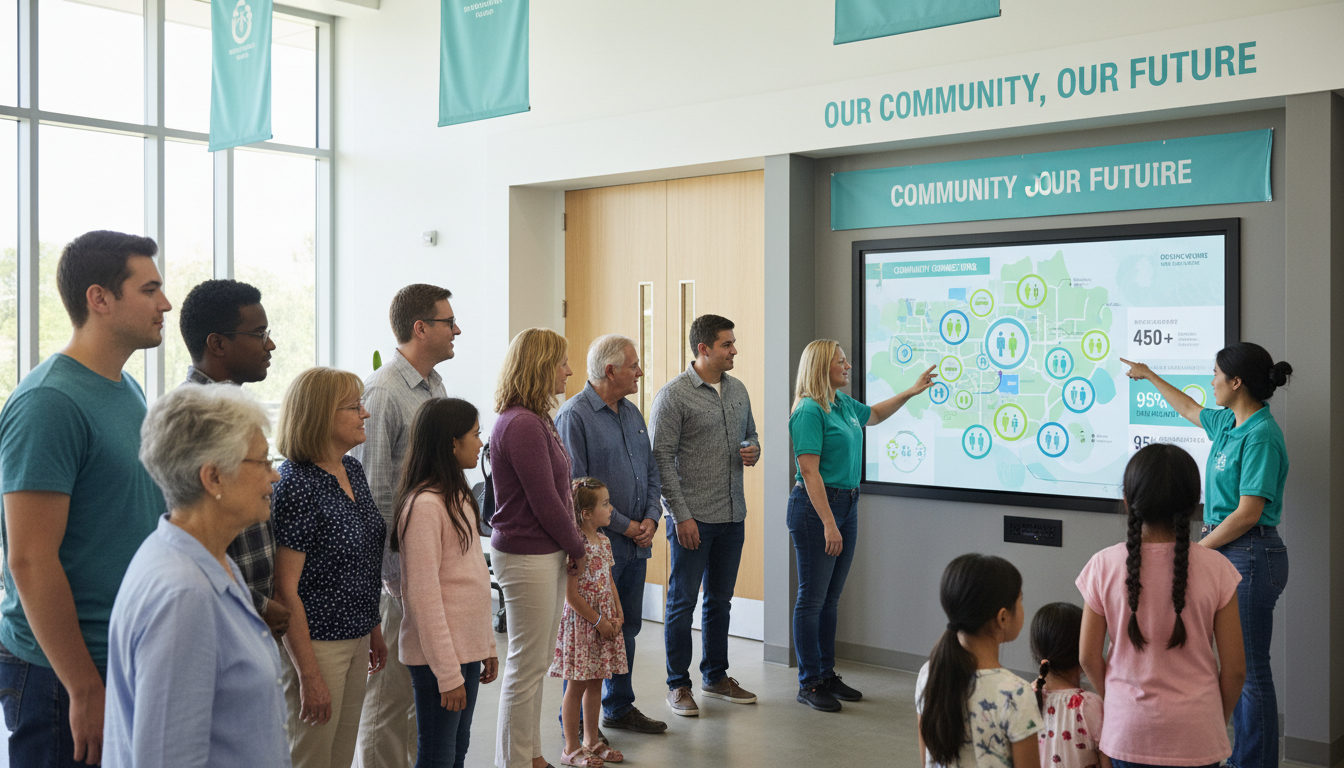
We think about who is being asked before we think about what to ask. We build outreach plans that reach families who do not check email, staff who do not sit at a desk, students who need a different reading level, and community members who do not speak English at home. We report response rates against defensible benchmarks by role and by district size, so you know what a solid response actually looks like for your community.
Anonymity means we cannot identify who said what. Confidentiality means we can, but we will not. We name which one applies to each instrument, so a leader can repeat that promise to a worried staff member without hedging. We set minimum group sizes on every reported cut of the data, typically ten respondents, so no one can be identified by a demographic filter. We design open-ended prompts so the answers do not out the writer.
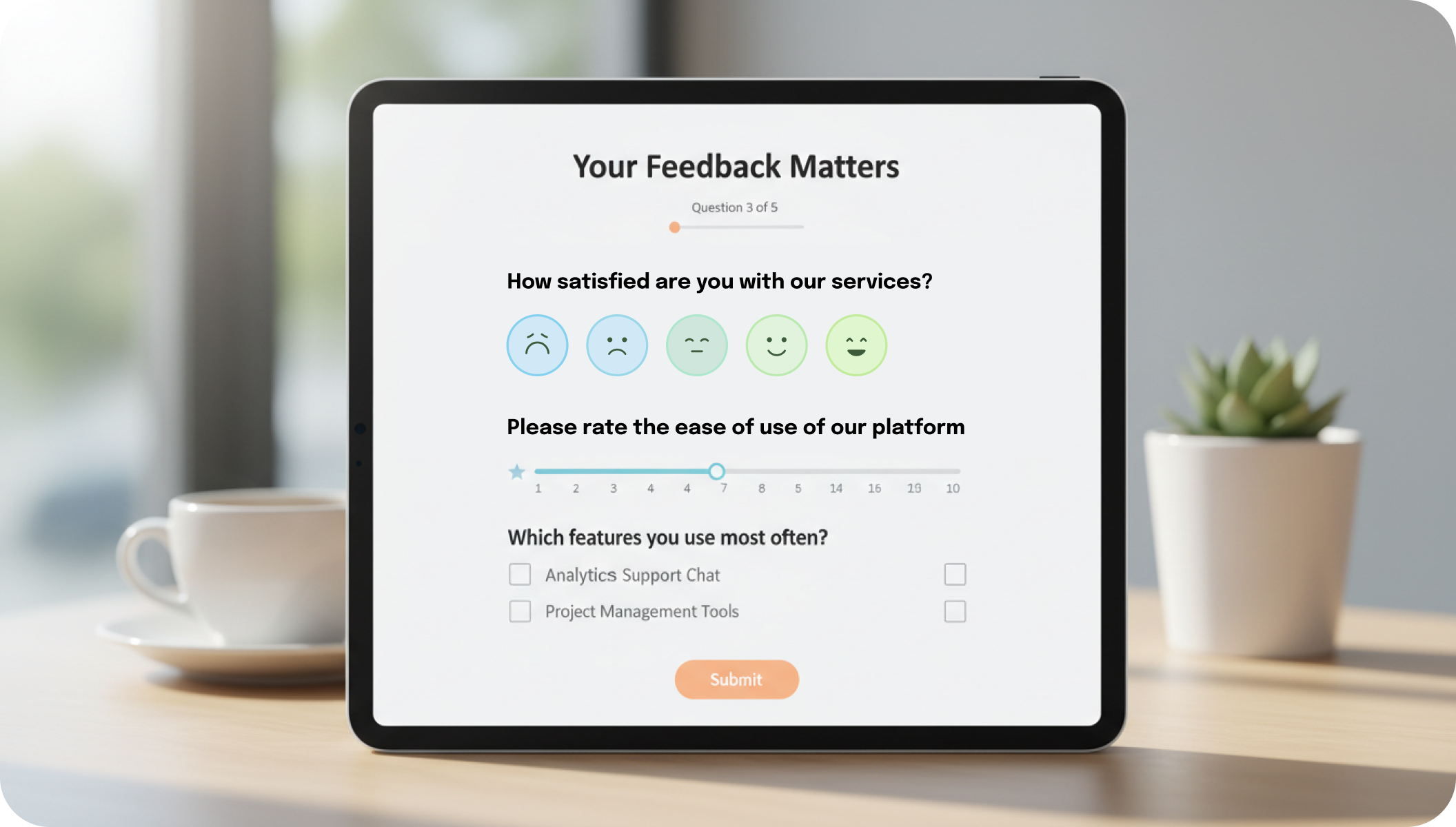
We write items in the respondent’s language, not the researcher’s. We follow Likert practices that reduce acquiescence and mid-point bias. We test items with the population before launch when the stakes call for it. We match reading level and response format to age, so an elementary student answers a question a first-grader can actually understand.
A survey in 60+ languages is not a survey translated by a machine. We use professional translators who work in education, review meaning as well as words, and back-translate the high-stakes items to check that a question about belonging still measures belonging in the target language. Every family should see themselves in the questions and see their language on the form.


Every instrument we build meets accessibility standards, so a community member using a screen reader or a keyboard-only device can respond the same way anyone else can. This is not an add-on. It is how the survey ships.
Districts that hire us get board-ready and state-ready reporting written for a superintendent, an assessment officer, and a board member. We run the analysis. We write the findings. We sit with your leadership team and walk through what the data does and does not say. Nothing about this work asks the district to learn a new platform or read a dashboard on their own.
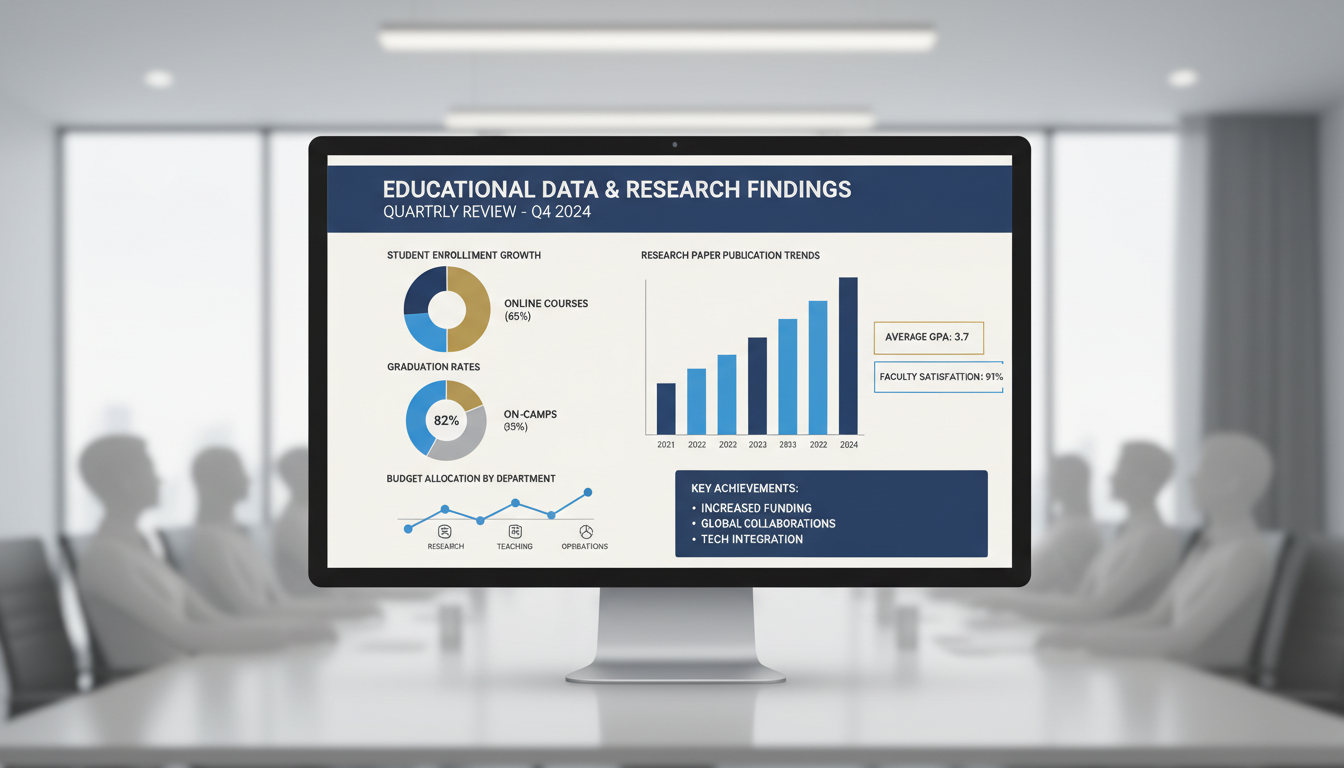
The same methods above run through every service on this page. A staff engagement study, a bond-readiness community survey, an SEL program evaluation, a strategic planning cycle. Different questions, same standard. That is what a managed research engagement is.
Curated Community Feedback
Partner with our specialized K-12 research division. Get qualitative focus group methodologies backed by statistical rigors and compliant standards.

Typical Rave Review
Description