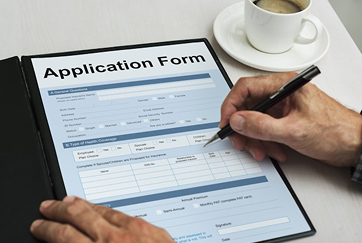




Employee Award Nomination Form Template
Read More
A 360-degree employee feedback survey template gives HR and people leaders a structured way to gather honest, well-rounded feedback for every employee, drawn from the manager, peers, direct reports, and the employee themselves. This free 360-degree evaluation survey template from Sogolytics covers the competencies that matter most, from leadership and communication to collaboration and decision-making, so each employee leaves with clear, actionable input on what they are doing well and where to grow next.
 4.6
Star
on G2
4.6
Star
on G2 4.7
Star
on Capterra
4.7
Star
on Capterra


Yes. In the Sogolytics 360-degree employee feedback survey template, peer and direct report responses are aggregated by rater group and never tied to an individual in the employee-facing report. Minimum-respondent thresholds prevent identification in small groups, and the consent screen clearly explains how responses will be used. Manager and self-assessment responses are typically attributed, since the employee already knows their own and their manager's perspective.
Start with the Sogolytics 360 template. Define the employee being evaluated and select a balanced rater pool (manager, peers, direct reports, and self). Configure anonymity, brand the survey, then distribute to each rater with a clear deadline. Monitor participation, close the survey, compile results into a 360 report, and deliver the findings to the employee through a coaching conversation paired with a written development plan.
Most 360 surveys cover the core competencies your company uses to define great performance. Common areas include leadership and influence, communication, collaboration and teamwork, decision-making and judgment, business and customer focus, strategic thinking, accountability and results, and adaptability. Each competency typically has three to five rating questions plus at least one open-ended question for context.
The purpose of a 360-degree evaluation is to give one employee a fuller, more balanced view of their performance and behavior than any single perspective can offer. By gathering input from the manager, peers, direct reports, and the employee themselves, the 360 surfaces blind spots, confirms strengths, and creates a richer foundation for development conversations, coaching, and growth planning.
A traditional performance review is typically one-directional, with the manager evaluating the employee. A 360-degree feedback survey is multi-directional, gathering input from the manager, peers, direct reports, and the employee. Performance reviews often inform compensation and promotion decisions, while 360 feedback is generally used for development rather than for ranking or pay decisions. The two work well alongside each other, but they answer different questions and should be kept separate.
Skip the 360 if the goal is performance management, compensation, or termination decisions. Mixing development feedback with high-stakes outcomes pushes raters to be less honest, which kills the program's usefulness. Also avoid 360s for very new employees (less than six months in role), for employees on a formal performance improvement plan, or during major restructuring when reporting lines and team configurations are in flux. In those situations, wait for the right window or use a different feedback tool.
The Sogolytics 360-degree employee feedback survey template works with SogoAI to help HR and coaching teams move faster. AI-assisted question writing helps you draft new competency questions in seconds, sentiment and theme analysis surface patterns across open-ended rater comments, automated tagging classifies feedback by competency, and smart summaries condense long verbatim responses into themes ready to share in a coaching conversation.
Yes. The Sogolytics drag-and-drop builder requires no code and no advanced HR background. Anyone on the HR, people operations, or coaching team can start with the template, adjust competency questions, brand the survey, configure rater pools, and launch in minutes. Built-in reporting, manager-facing dashboards, and SogoAI text analysis make interpreting 360 results approachable even for first-time program owners.





Typical Rave Review
Description