



In customer experience, expectations never stand still, and this year’s data proves it. The Sogolytics Experience Index: Customer Edition (CX) 2026 reveals that while technology continues to redefine the customer journey, satisfaction still depends on something much simpler: trust, speed, and consistency.
Sogolytics surveyed 1,011 consumers across the U.S. to explore what drives today’s best and worst experiences, from the industries that set the bar high to the habits shaping loyalty, automation, and personalization. Here’s a first look at what stood out.
Everyday Experiences, Big Expectations
Customer experience remains rooted in daily life. Nearly half of all recent meaningful interactions occurred in retail (22%) and healthcare (21%), far ahead of digital-only sectors like e-commerce or technology. Younger consumers most often cited entertainment and media, while older generations leaned toward healthcare and retail, showing that CX excellence still begins in the places people rely on most.

Compared to five years ago, expectations are rising across every demographic, most sharply among Millennials (52%) and Gen Z (46%). Consumers now expect faster service, greater transparency, and ethical responsibility. Two in three (68%) demand stronger respect for privacy and data, while 62% expect brands to act more responsibly and ethically.
How Customer Expectations Have Shifted in the Last Five Years
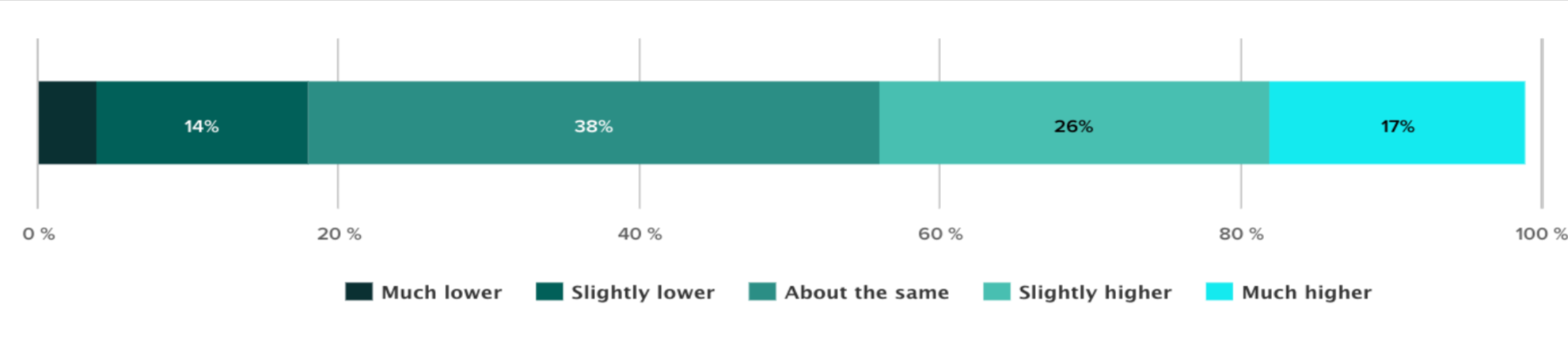
Source: Sogolytics 2025 U.S. CX Survey
Each positive interaction sets a new baseline. What felt exceptional in 2020 is table stakes in 2026.
Personalization and Privacy: Still a Balancing Act
More than half of respondents(52%) rated personalization as very or extremely important, yet genuine satisfaction is limited. Only 18% described themselves as very satisfied with the personalization they currently receive, suggesting that many experiences feel routine rather than truly tailored. When it comes to data use, just one in three customers feel comfortable with how companies manage their personal information, underscoring how closely trust and personalization remain intertwined.
AI? Helpful, But Not Human
Automation divides opinions. One in three respondents said artificial intelligence (AI) in customer experience has both positive and negative effects, while another quarter felt it harms the experience overall. Efficiency is appreciated, but empathy remains irreplaceable: 54% still prefer human interaction for healthcare, financial, or emotional issues, even if it means waiting longer.
What It Means for CX Leaders
Customer experience has entered its next phase, defined not by innovation alone but by credibility, care, and constancy. The brands that win trust in 2026 will be those that deliver high-tech service with a human core, responsive enough to meet rising expectations yet reliable enough to make every interaction feel personal and fair.
Excellence in CX is no longer about standout moments. It’s about delivering that quality consistently, every time.