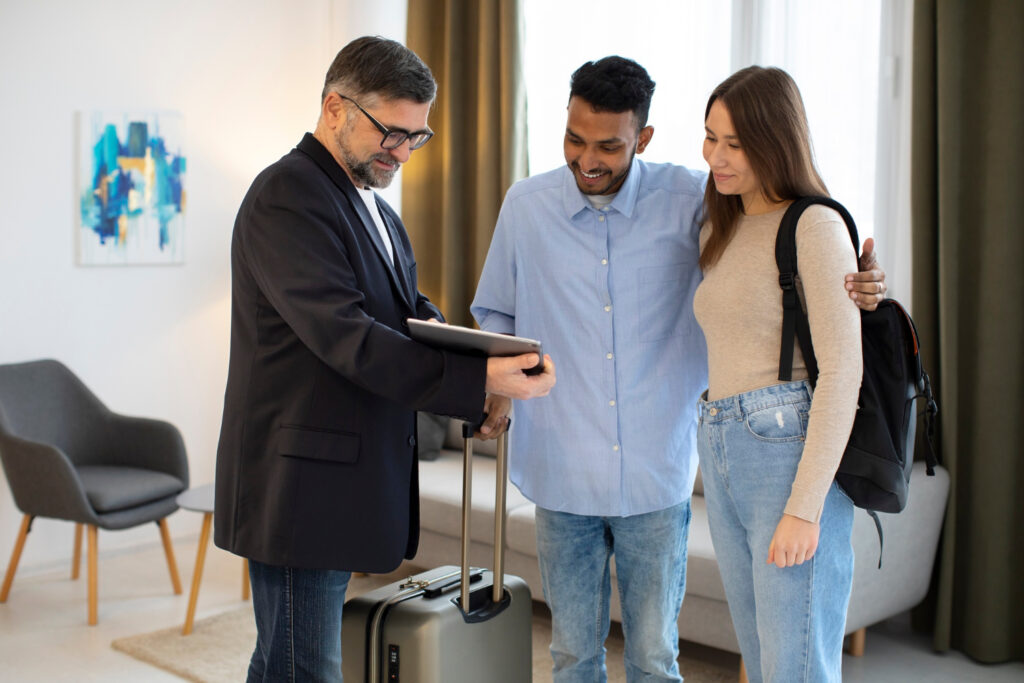



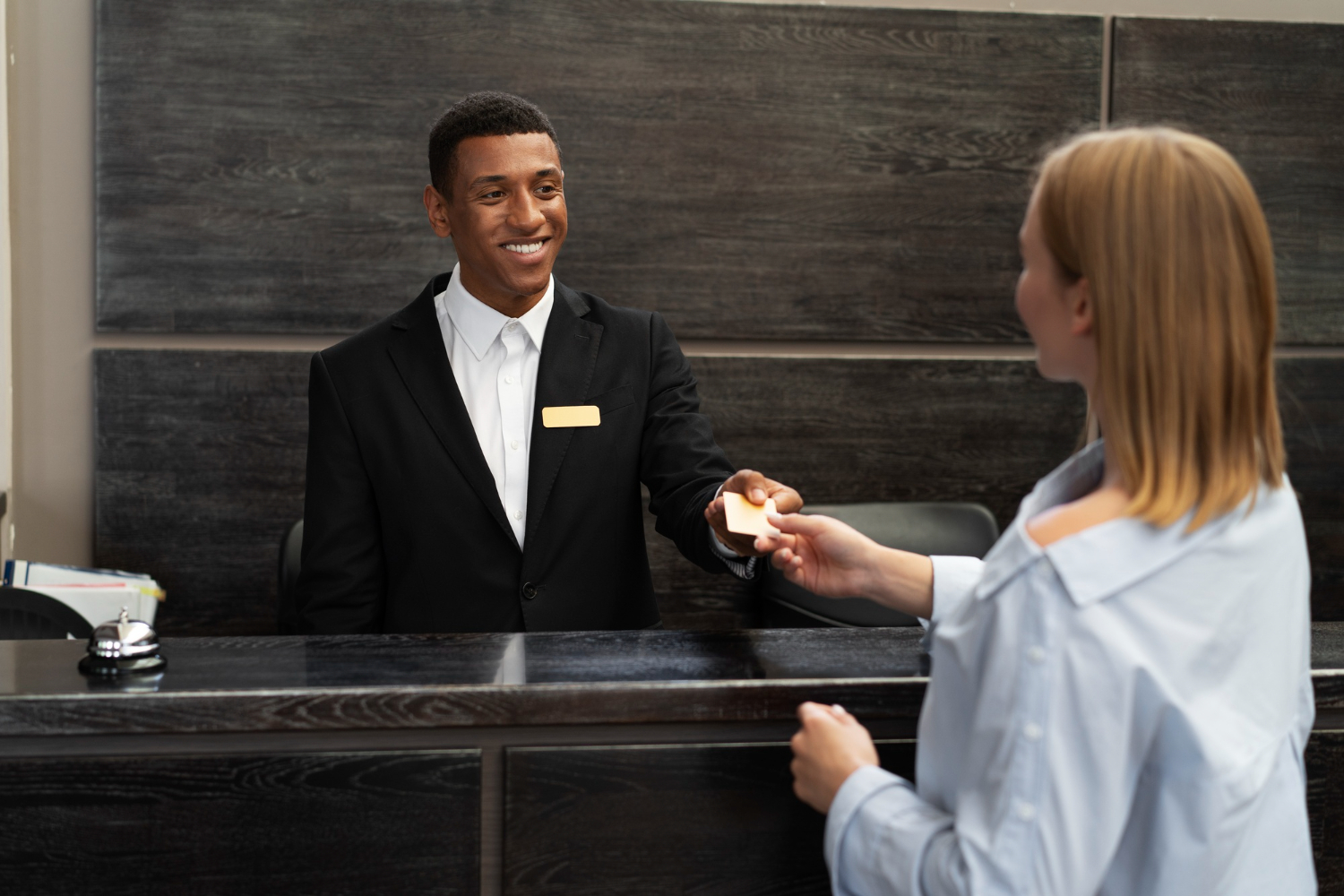
Picture this; Two guests arrive at the same hotel within ten minutes of each other. Both have stayed at the property before. The first guest gets to the front desk in three minutes. The agent processes the ID, hands over the key, and wishes them a good stay. Total time: four minutes. Friction-free. Forgettable.
The second guest waits eight minutes. When they reach the front desk, the agent greets them by name, mentions that they have noted the late check-out preference from their last stay, and asks if the same coffee setup as before would be welcome. Total time: seven minutes. Slower. Memorable. The difference lies in AI-powered guest experience, which is enabling hotels to deliver tailored guest experiences at scale by bringing the right insights to staff when they need them most.
Which guest is more likely to come back? Which one is more likely to leave a review? Speed and recognition are not opposites. They are two different operating outcomes that must be designed together, in the first 48 hours of every stay.
Two Objectives, One Operating Window
Sogolytics’ Experience Navigator framework treats check-in and check-out efficiency and personalization of services and amenities as two separate strategic objectives. In practice, the in-stay window forces them into the same operating problem. The same touchpoints, the same staff, and the same systems are involved in both. A well-structured customer journey view is the operating layer that lets the front desk team see them together rather than apart.
| Touchpoint | Efficiency pain point | Personalization pain point |
|---|---|---|
| Online booking confirmation and pre-arrival mobile view | Guests do not receive clear instructions on check-in requirements like ID or deposit, causing delays at arrival. | Guests are not presented with personalized room or package recommendations based on previous stays. |
| Mobile check-in feature | Mobile check-in fails due to server sync errors or missing pre-authorization, forcing guests to redo check-in at the desk. | Returning guests do not experience recognition of loyalty history during the booking process. |
| Front desk reception | Long queues during peak check-in with inadequate staffing and slow system processing. | Front desk agents fail to reference prior preferences or greet repeat visitors personally. |
| Identity verification and billing reconciliation | Manual ID verification with outdated scanners; manual billing reconciliation requires manager approval for corrections. | Incomplete or outdated guest profiles lead to generic communication and service delivery. |
| In-room amenities and front desk interaction | Wait times and standardized scripts create impersonal, transactional reception experiences. | Welcome amenities are generic and not tailored to occasion or guest preferences. |
The False Choice Between Speed and Recognition
The classic operational instinct is to optimize check-in for throughput. Trim the script. Reduce verification time. Push self-service. The result is faster, but flatter. Returning guests notice. Loyalty members notice. The guest who chose this property over three others notices that no one acknowledged it. Using technology to delight guests is about exactly this balance: tech that creates time, then spending that time on recognition.
Personalization satisfaction has improved meaningfully in the Q1 2026 data, climbing eight percentage points over the prior wave. 58 percent of customers now rate personalization as very or extremely important, and 59 percent report satisfaction with what they receive. The gap is narrowing. But guests who value personalization most are also the guests most likely to switch after a single negative experience. The reward for getting this right is rising. So is the penalty for getting it wrong.
“Loyalty is shifting from strong commitment to more flexible preference. 37 percent of customers say they are likely to switch after a single negative experience.” — Sogolytics Experience Index, Customer Edition Q1 2026
5 Ways to Design the First 48 Hours as One Connected Experience
1. Run a parallel measurement model
Track efficiency metrics like CES, Speed & Efficiency, and Professionalism on one side. Track recognition metrics like NPS, Personalization, and Loyalty Intent on the other. Both across the same five touchpoints.
2. Build a 30-second recognition window into every check-in
It does not slow the process down, and it shifts the entire emotional tone of the interaction. The recognition signal is what separates a transactional check-in from a returning-guest moment.
3. Fix the digital check-in handoff first
When mobile check-in fails and forces a redo at the desk, you have lost both speed and recognition in one moment. This is the single highest-impact in-stay fix in most properties.
4. Connect the guest profile to the front desk screen
Most personalization failures are not about effort. They are about information not surfacing to the agent at the right moment. Pre-loaded preferences fix the issue immediately.
5. Audit welcome amenities by occasion, not by tier
Generic welcome gifts are a missed signal. Tailoring by occasion (anniversary, business, family) is operationally simple and reads as genuinely thoughtful.
Use Case: Turning Guest Insights into Better Arrivals
Picture a hotel that has spent years perfecting a lightning-fast check-in experience. Guests move through the lobby quickly, queues are short, and operational metrics look excellent. Yet despite these gains, loyalty and repeat visits begin to plateau, or even decline.
At first, the team assumes the problem lies elsewhere, perhaps in post-stay communication or follow-up engagement. But when they measure both operational efficiency and guest personalization across the entire arrival journey, a different pattern emerges.
In the drive to streamline check-in, the small moments that made guests feel recognized had gradually disappeared. Staff were moving guests through efficiently but not making them feel known.
The solution isn’t to slow the process down. Instead, the hotel introduces a brief personalization moment, enabled by guest profile data and contextual insights.
For a returning guest, that might mean already knowing they prefer a non-smoking room on a higher floor, or ensuring their meals are prepared without nuts based on previous stays. For a first-time visitor, it could be as simple as asking where they’re traveling from and recommending local experiences that match their interests, whether that’s family-friendly attractions, nightlife, or hidden culinary gems.
These interactions take only a few extra seconds, but they transform a routine check-in into a memorable welcome. Guests feel recognized rather than processed, and that strong first impression often shapes how they perceive the rest of their stay.
The broader lesson is that efficiency and personalization aren’t opposing goals. When guest insights are surfaced at the right moment, hotels can deliver fast, frictionless service while still making every interaction feel thoughtful and personal.
The takeaway is simple: efficiency and personalization don’t have to compete. When designed together, they create a guest experience that is both seamless and memorable.
The Survey Projects that Surface the Work
A focused starting set of survey projects converts these two objectives into measurable improvement programs. A customer satisfaction survey template is a sensible foundation that you can adapt to each touchpoint.
-
Check-in personalization feedback survey
Measures NPS, Personalization, and Professionalism at the front desk.
-
Front desk wait time and warmth survey
Measures CSAT, Professionalism, and Speed & Efficiency together. Captures both the efficiency and the emotional impact in one instrument.
-
Digital check-in performance survey
Measures CES, CSAT, Ease of Use, and Speed & Efficiency. Identifies friction points in the mobile flow that push guests back to the desk.
-
Returning guest recognition survey
Measures CSAT, Loyalty Intent, and Recognition. Tracks whether returning guests are recognized as returning, across all four touchpoint categories.
-
In-room personalization feedback survey
Measures Completeness, CSAT, and Personalization. Evaluates satisfaction with room customization.
Where Experience Navigator Works
In a typical hospitality group, the front office director, the loyalty team, and the digital product team each have their own view of the check-in experience. Experience Navigator collapses those views into one operating map. The same five touchpoints, the same pain points, and the same measurement projects, with each team seeing where their work touches the others. Layered on top, customer analytics surface key drivers and friction points that any single team would miss on its own.
The shift is subtle but consequential. Check-in stops being an operations problem with personalization added on top. It becomes an in-stay design problem with efficiency and recognition treated as parallel, measurable, and connected outcomes.
Frequently Asked Questions
Can you really do warm personalization without slowing down check-in?
Yes. The bottleneck is information surfacing, not script length. When guest profile data is pre-loaded to the front desk screen at the moment of arrival, a personalization cue takes about 20 seconds. The time saved by faster ID verification more than offsets it.
What if our property does not have a dedicated loyalty system?
Recognition does not require a loyalty system. A simple repeat-guest flag, a notes field in the property management system, and a front desk habit of checking before greeting will get most properties 80 percent of the way there.
Which guests benefit most from in-room personalization?
Returning guests and guests on special occasions. The Q1 2026 data shows personalization satisfaction has improved most among guests who value it most, which suggests this is where the operational effort yields the highest return.
How do we know if our digital check-in is actually working?
Measure the redo rate. If guests who completed mobile check-in still end up at the front desk to re-verify, the digital flow is not working, even if usage numbers look healthy.
Where does check-out fit in this?
Check-out is the bookend to check-in and shares most of the same touchpoints. Most properties under-instrument it because the guest is leaving anyway. That is a missed opportunity, since the closing moment heavily shapes how the stay is remembered.